
✅ Quick Answer: What is Khareef?
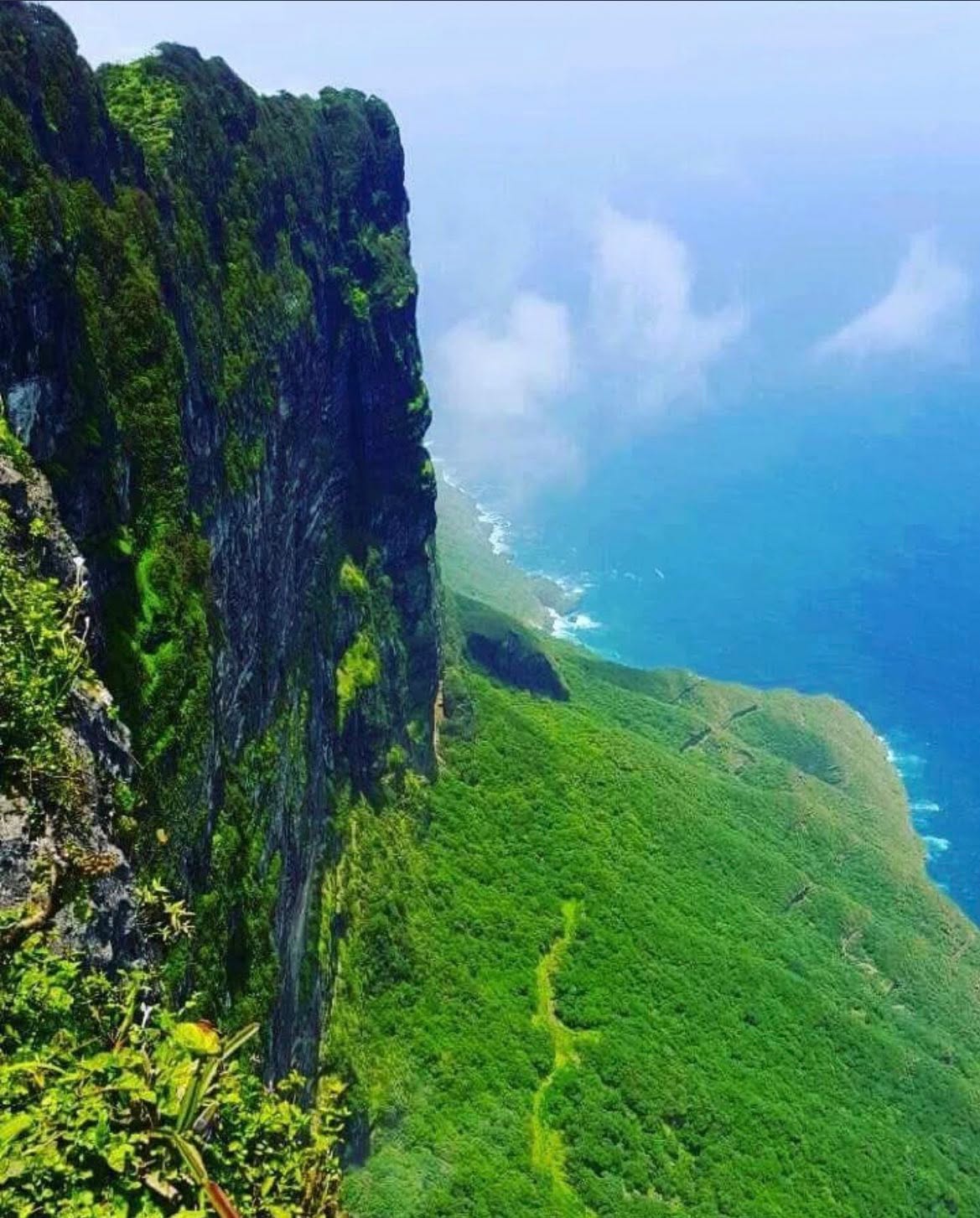
Khareef is the Arabic word for “autumn” but in Oman it refers to the annual monsoon season that transforms Salalah and Dhofar into lush, green landscapes. It runs from late June to mid-September, bringing cool temps (18-25°C), misty mountains, and waterfalls. Learn more ↓
Every summer, while the rest of the Arabian Peninsula bakes under 45°C heat, something extraordinary happens in the far south of Oman. The city of Salalah and the mountains of the Dhofar region transform into a green, misty wonderland. Waterfalls appear from bare rock. Dry valleys fill with streams. The air cools to a gentle 20–27°C. Cattle graze on hillsides that look more like Ireland than Arabia.
This is Khareef — and if you have never experienced it, you are missing one of the most remarkable natural events in the Middle East.
What Does Khareef Actually Mean?
Khareef (خريف) is the Arabic word for autumn. In Oman, it refers specifically to the monsoon season that affects the Dhofar region in the south of the country. While the word technically means autumn, the Khareef season in Salalah actually falls during the summer months — a quirk of geography that makes it unlike anything else in the Gulf.
The Khareef is caused by the Indian Ocean southwest monsoon. As warm, moisture-laden winds from the Indian Ocean hit the Dhofar Mountains (Jabal Al Qara), they rise and cool, releasing gentle rain and persistent mist across the coastal plain and the mountain slopes. The result is a transformation so dramatic that first-time visitors often cannot believe they are still in Oman.
When Does Khareef Season Start and End?
The official Khareef season runs from 21 June to 20 September each year. In practice, the monsoon’s arrival and departure vary slightly from year to year, but you can reliably expect the following pattern:
Late June: the first mist and drizzle arrives. The mountains start greening. Early July: the transformation accelerates. Waterfalls begin flowing. Temperatures drop noticeably. July to mid-August: peak Khareef. The greenery is at its fullest, the waterfalls at their most dramatic, and the visitor numbers at their highest. Late August to mid-September: the rains taper off. The green slowly fades to gold. Crowds thin out but the scenery remains beautiful.
Peak tip: If you want the most dramatic green scenery and flowing waterfalls, aim for mid-July to mid-August. If you prefer fewer crowds and still-good conditions, late June or early September are excellent shoulder windows.
What Makes Khareef So Special?
The Khareef is not just a weather event — it is a complete sensory transformation of an entire region. Here is what makes it remarkable:
The temperature contrast is staggering. While Muscat, Dubai, and Riyadh sit at 40–48°C in July, Salalah hovers around 22–27°C. This makes it the only naturally cool destination in the entire Arabian Peninsula during summer, which is why hundreds of thousands of GCC visitors make the trip every year.
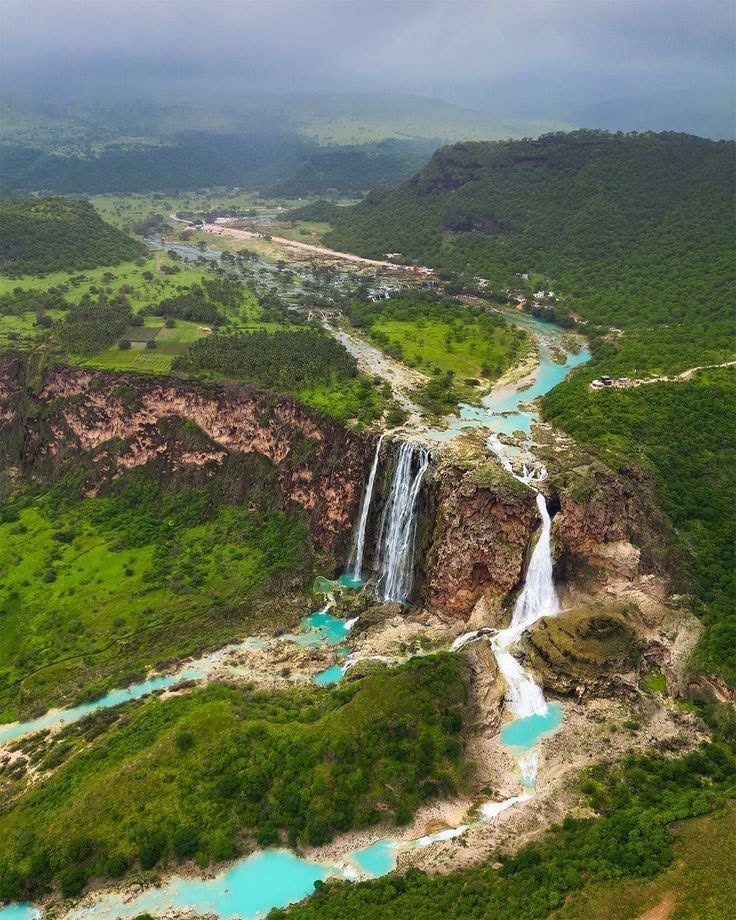
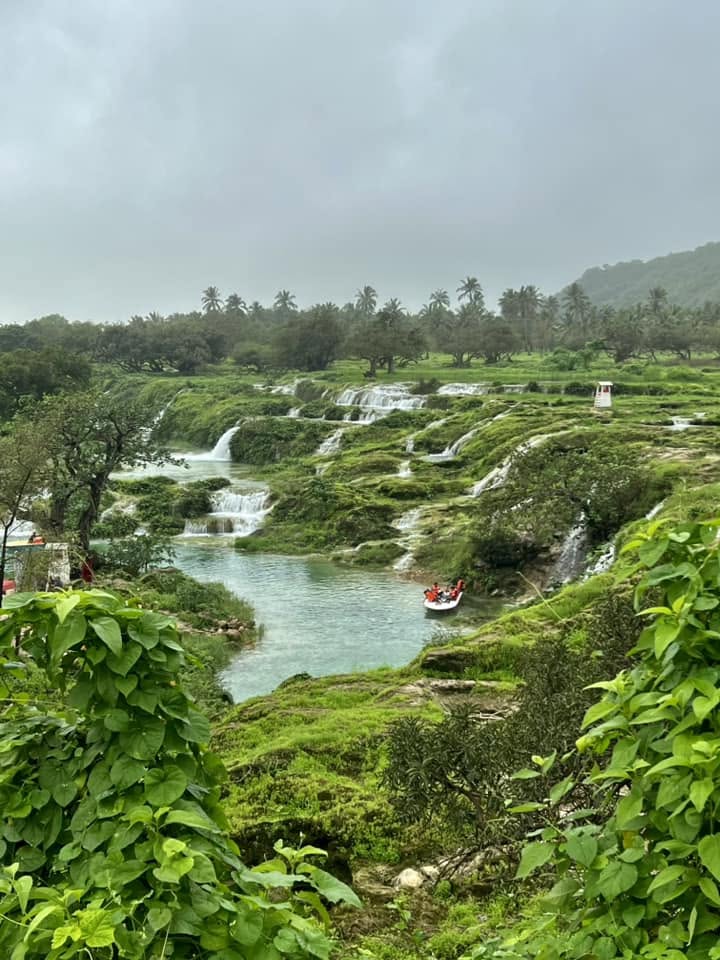
The landscape change is unlike anything else in the region. Dry, rocky mountains turn into rolling green hills covered in thick grass and wildflowers. Seasonal waterfalls cascade from cliffs. Wadi Darbat, the most famous of these, fills with streams and becomes a lush valley with boat rides on a freshwater lake. The coastal plain grows banana trees, coconut palms, and papaya — tropical fruits that seem impossible in the Arabian Peninsula.
The cultural atmosphere shifts too. The Salalah Tourism Festival (also called the Khareef Festival or Salalah Carnival) runs throughout the season, featuring traditional music and dance, food stalls, handicraft markets, and family entertainment. The city’s restaurants and cafes fill with visitors. Roadside stalls sell fresh coconut water and local fruits. The frankincense markets of Al Husn Souq come alive.
- Escape Oman’s summer heat (40°C+ elsewhere) for cool, misty Salalah
- Witness dramatic landscape transformation: desert → green paradise
- Experience the Khareef Festival: cultural events, food, music
- Perfect for photography: waterfalls, fog-covered mountains, lush valleys
- Family-friendly: safe, accessible activities for all ages
Where Exactly Does Khareef Happen?
The Khareef affects the entire Dhofar Governorate in southern Oman, but the areas most accessible and most dramatically transformed are centred around Salalah city and the surrounding mountains. The key areas are:
Salalah city itself: the coastal plain stays cool and occasionally misty. The beaches, parks, and restaurants are the social hub. The Dhofar Mountains (Jabal Al Qara): the mountains behind Salalah are where the most dramatic greenery and waterfalls occur. Driving through the mountains during Khareef is one of the highlights — roads wind through clouds, past cascading water, through impossibly green valleys. Wadi Darbat: approximately 40 minutes east of Salalah, this is the single most visited Khareef site. A wide valley that fills with streams and a lake during the monsoon. Boat rides, picnic areas, and hiking. Al Mughsail Beach: west of Salalah, famous for its dramatic blowholes where ocean waves force water through holes in the coastal rocks, shooting spray up to 30 metres high. The beach itself is stunning. Ayn Razat, Ayn Hamran, Ayn Athum: natural springs in the mountains that are especially beautiful during Khareef, surrounded by lush vegetation. Jabal Samhan: a high mountain plateau with panoramic views over mist-covered valleys and the Arabian Sea.
How to Get to Salalah
By air: Salalah International Airport (SLL) receives multiple daily flights from Muscat (1 hour 40 minutes) via Oman Air and SalamAir. New for 2026: Oman Air has launched direct Dubai–Salalah flights, three times per week starting 3 July 2026. Direct and charter flights also connect from Riyadh, Jeddah, and Moscow. Book early for Khareef — flights fill up fast, especially in July and August.
By road from Muscat: the inland highway via Nizwa, Adam, Haima, and Thumrait is approximately 1,020 km and takes around 10 hours of driving. The scenic coastal route via Sur and Duqm is longer but more beautiful. Both routes are well-maintained dual carriageways for most of the distance, with a single carriageway section between Haima and Thumrait that requires extra caution.
By bus from Muscat: Mwasalat operates the Intercity Route 100 from Azaiba Bus Station to Salalah, departing three times daily. The fare is approximately OMR 8 one-way, and the journey takes around 12.5 hours.
Is Khareef Worth Visiting?
If you live anywhere in the GCC or are visiting Oman during the summer months, Khareef is one of the most rewarding trips you can take. The combination of naturally cool weather, dramatically green landscapes, flowing waterfalls, fresh tropical food, cultural festivals, and the sheer contrast with the rest of the Arabian summer makes it genuinely unique. There is nowhere else in the region that offers this experience.
For families, the cool weather means children can play outdoors comfortably — a rare luxury in a Gulf summer. For couples, the misty mountains and beachfront resorts create a romantic atmosphere. For photographers, the landscapes are extraordinary. And for anyone simply looking to escape the heat, Salalah during Khareef delivers something no other Gulf destination can match.
Ready to plan your trip? See our Salalah Khareef pages:
Best time to visit Salalah
Things to Do in Salalah
Where to Stay in Salalah
Best Restaurants in Salalah
Muscat to Salalah by road
Salalah with Kids
Khareef on a Budget
Salalah Khareef Packing List
Salalah Events & Festivals
| Fact | Detail |
|---|---|
| Meaning | Arabic for “autumn”; in Oman = monsoon season |
| Location | Salalah & Dhofar region, southern Oman |
| Duration | Late June – Mid-September (varies yearly) |
| Temperature | 18-25°C (much cooler than rest of Oman) |
| Rainfall | Frequent mist, drizzle & occasional heavy rain |
| Key Attraction | Green mountains, waterfalls, Khareef Festival |